Mom Sparkle Typography: A Designer's Real-World Review
As a designer who spends more time staring at stitch simulations than I do sleeping, I approach every new digital embroidery file with a healthy dose of skepticism. We have all been there: you buy a cute graphic, load it into your software, and realize the letter spacing is a nightmare or the details are too fine for anything other than a silk handkerchief. That is why I took a close look at the Mom Sparkle Typography SVG PNG before committing it to any client projects. This isn't just about whether the image looks good on a screen; it is about how it translates into thread, fabric, and ultimately, a finished product that holds up in the real world.
First Impressions and Visual Personality
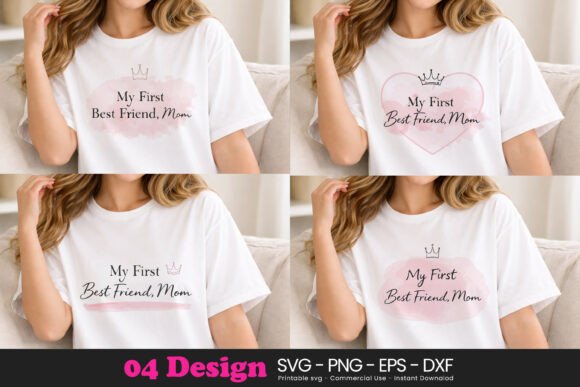
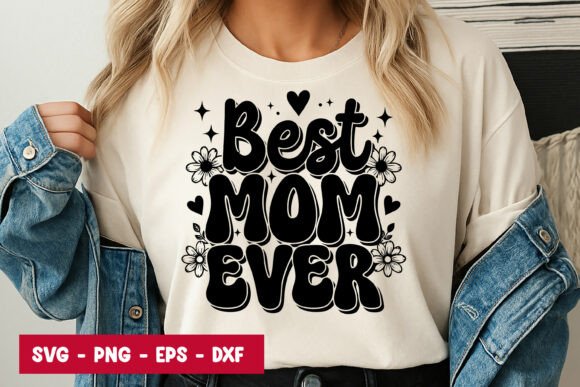
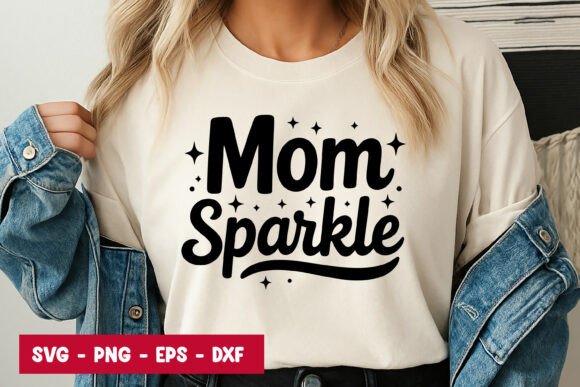
When I first opened the files included in this package—specifically the SVG and EPS vectors for resizing and the high-resolution PNG for mockups—the immediate vibe was celebratory yet grounded. The "Sparkle" element suggests festivity, making it an ideal candidate for holiday embroidery or birthday gifts, but the typography itself feels sturdy enough for everyday wear. For those of us creating Illustrations and Graphics for commercial use, the balance between decorative flair and readability is crucial. The design avoids being overly frilly, which often gets lost in stitching, and maintains a clean structure that suggests it will digitize well into a satin stitch or a tight fill stitch without becoming a bird's nest of thread.
The mood here is empowering and warm. It fits perfectly into the current market trend of celebrating motherhood without leaning too hard into clichés. Whether you are an Etsy seller looking to expand your design assets or a hobbyist making a gift for a friend, the visual personality of this piece speaks to quality and care.
Real-World Application: The Tote Bag Test
To truly evaluate the Mom Sparkle Typography SVG PNG, I envisioned a specific embroidery project: a custom canvas tote bag for a local boutique. Tote bags are tricky; the fabric is often coarse, and the surface area is large, requiring a design that commands attention without looking pixelated or sparse. Because this package includes a 300 DPI print quality file, creating a printable mockup to show the client before stitching was seamless. The clarity allowed me to visualize exactly how the text would sit against a natural cotton background.
If I were stitching this onto a sweatshirt for a personalized gift, the layout seems conducive to center-chest placement. The typography appears robust enough to handle the texture of fleece or French terry cloth. However, for a small shop product like a baby onesie, I would be cautious. While the sentiment is perfect for baby embroidery, the "sparkle" details might need adjustment in the digitizing phase to ensure they don't become scratchy or too dense for sensitive skin. This is where the vector files (SVG, EPS, DXF) become invaluable, allowing a professional digitizer to tweak the pathing before it ever hits the machine.
Navigating Fabric Challenges and Stitch Density
One of the most critical aspects of using any machine embroidery design is understanding its limitations on different materials. With the Mom Sparkle Typography SVG PNG, I would advise careful consideration regarding stitch density. If the sparkle elements are interpreted as very small, isolated shapes, they could pose a risk on stretchy fabrics like jersey knits used for custom apparel. Without proper stabilization, these areas might pucker or break after a few washes.
For textured fabrics like linen tea towels or waffle-weave aprons, the solid parts of the typography should hold up well, likely benefiting from a running stitch outline to define the edges against the uneven weave. However, if you are attempting this on a curved surface like a cap, the horizontal span of the text might require splitting or significant manipulation to avoid distortion. Always test the design on scrap fabric first. This is non-negotiable for maintaining brand consistency and customer trust. A distorted logo or unreadable text on a handmade product can quickly damage a reputation.
Technical Considerations for Commercial Use
For commercial embroidery professionals, the versatility of the file formats provided is a major plus. Having access to PNG, SVG, EPS, and DXF means you are covered for both cutting machines and embroidery software imports. However, remember that these are digital downloads; no physical items are shipped. You are responsible for the digitization process if you are moving from a graphic to a stitch file.
Here are a few practical notes for integrating this design into your workflow:
- Check Thread Color Contrast: The "sparkle" concept relies on light reflection. On dark fabrics, ensure you choose metallic or high-sheen threads to make the effect pop, rather than flat cottons that might disappear.
- Hoop Size Verification: Before promising a customer a large back-piece design on a jacket, confirm the dimensions of the vector file against your available hoop sizes.
- Stabilizer Selection: Given the potential for dense lettering, a cut-away stabilizer is often safer than tear-away for garments that will see frequent washing, ensuring the finished product remains stable over time.
- Licensing Clarity: Always review the specific license terms associated with the download. While great for craft business items, some licenses restrict the number of physical sales or prohibit selling the digital file itself.
Enhancing Product Value and Buyer Engagement
Ultimately, the success of the Mom Sparkle Typography SVG PNG in your inventory comes down to presentation. In the crowded marketplace of small business merchandise, visual appeal drives sales. This design offers a professional look that elevates a simple t-shirt into a boutique item. When customers see clean lines and thoughtful composition, they perceive higher value.
Using this graphic for wedding gifts or nursery decor can create an emotional connection, which is the heart of the handmade economy. The design's ability to work across various mediums—from an embroidered patch to a large wall hanging—makes it a versatile asset. Just remember to inspect small details closely. Tiny serifs or isolated sparkle dots might need to be thickened slightly during the digitizing phase to prevent thread breaks, especially if you are running a high-speed production schedule.
In conclusion, this design holds significant promise for creators who understand the nuances of translating graphics into thread. It is not just a pretty picture; it is a foundational element for building a cohesive line of personalized products. By respecting the material constraints and leveraging the high-quality source files provided, you can create items that not only look beautiful but stand the test of time and wear.